

Turn your passion for cars into a professional career. Discover how a business degree opens doors in the automotive industry.
There’s a moment most automotive enthusiasts experience: the thrill of horsepower isn’t just a hobby. It becomes a lens through which you see the world. But unlike a fascination that lives in your garage or on the weekend track, some people feel the pull of the automotive industry in their careers.
They wonder if it’s possible to turn that passion for cars, innovation, and movement into something that sustains them professionally. For many, the answer lies at the intersection of business and automotive, specifically within careers in areas like dealership management, automotive marketing, operations, supply chain, and brand strategy, all unlocked by earning a business degree.
Today’s automotive industry isn’t just about assembling vehicles on a factory floor or tuning engines in a garage. Cox Automotive demonstrates how it has become this global ecosystem that depends on strategy, technology, marketing, operations, analytics, and innovation.
Teams of professionals behind the scenes influence product launches, supply chain decisions, brand perception, customer loyalty, motorsports partnerships, and experiential retail. Vehicles move because businesses move first.
And that’s where a university automotive business education becomes more than foundational. It takes someone who loves cars and gives them the skills to contribute meaningfully to an industry that increasingly values analytical thought, strategic planning, and measurable outcomes.
Automotive Operations and Management
Keeping the Industry Running
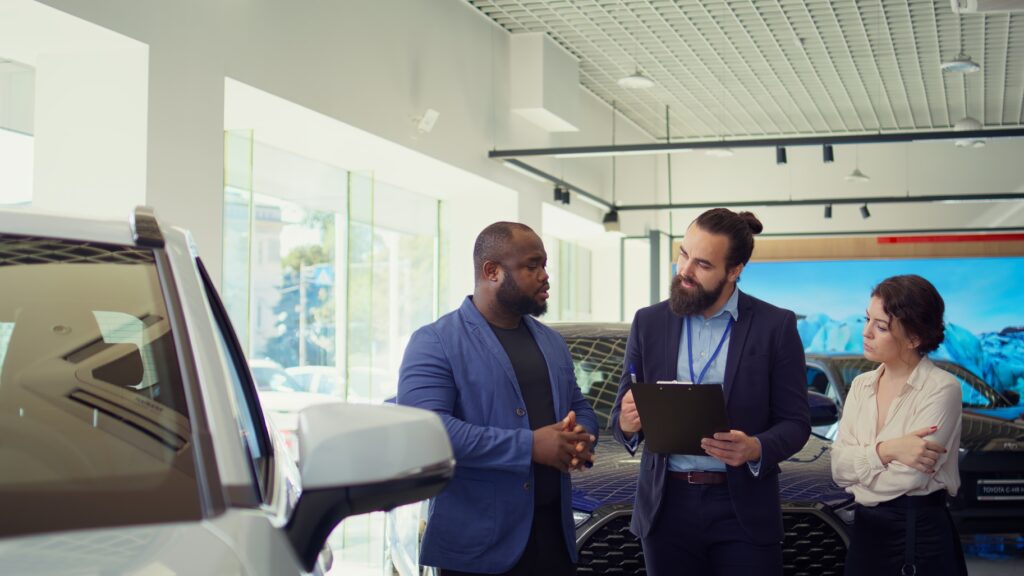
Operations and management are the foundation of any successful automotive business, be it a dealership, parts manufacturer, service network, or mobility enterprise. This career path is about orchestrating complex systems so that every part of the automotive business works in harmony.
Professionals in this space might oversee supply chain logistics, coordinate inventory between production and sales, manage service operations, or lead teams in dealerships. They make sure that customers are happy, business objectives are met, and the right components are in the right place at the right time.
These positions require a combination of leadership, analytical decision-making, financial fluency, and communication skills, all of which are strengthened by a business degree, especially one grounded in a university automotive focus.
Automotive Marketing and Brand Strategy
Shaping How the World Sees Vehicles

Car culture may begin with enthusiasts, but automotive brands thrive because of business. Today’s professionals in the automotive space do much more than create ads. They dive into consumer research, decode market trends, collaborate with engineering and design teams, and help position products in a crowded, competitive field.
With the rise of electric vehicles, connected cars, and autonomous technology, marketing roles have expanded to include digital analytics, brand partnerships, content strategy, and experiential campaigns that engage buyers online and in person.
A business degree with a focus on marketing, such as Northwood University’s Automotive Marketing Management program, prepares graduates to navigate this landscape by teaching them how to blend creativity with data, anticipate consumer needs, and execute campaigns that move markets.
Finance, Analysis, and Business Intelligence
Turning Data Into Decisions

Automotive companies of every scale are awash in data. Sales figures, customer preferences, warranty claim histories, production costs, and pricing strategies. All of these generate numbers that can either overwhelm or empower.
Finance and business analysts specialize in turning raw data into insight. They evaluate profitability across models, guide investment decisions, assess market segments, and support leadership with scenarios that inform strategy.
Modern automotive businesses also embrace emerging technologies like artificial intelligence and machine learning to augment forecasting and customer behavior modeling. Analysts who understand both the business and technological side of this trend are uniquely positioned to influence the future direction of organizations.
Motorsports and Competitive Strategy
When Performance Meets Precision

Motorsports is where engineering and adrenaline intersect, but it’s also where strategy and business collide at the highest levels. Teams rely on analysts, strategists, and business professionals to handle sponsorship agreements, logistics planning, fan engagement, media rights, and brand partnerships.
Behind every successful racing team is a network of people who interpret performance data, manage sponsorship portfolios, optimize event operations, and translate competition insights into commercial results.
For many with a passion for speed and competition, this career path represents the ultimate blend of automotive enthusiasm and tactical business acumen. It’s where the rubber meets the road, in both literal and professional senses.
Automotive Retail and Customer Experience
Turning Buyers Into Lifelong Advocates
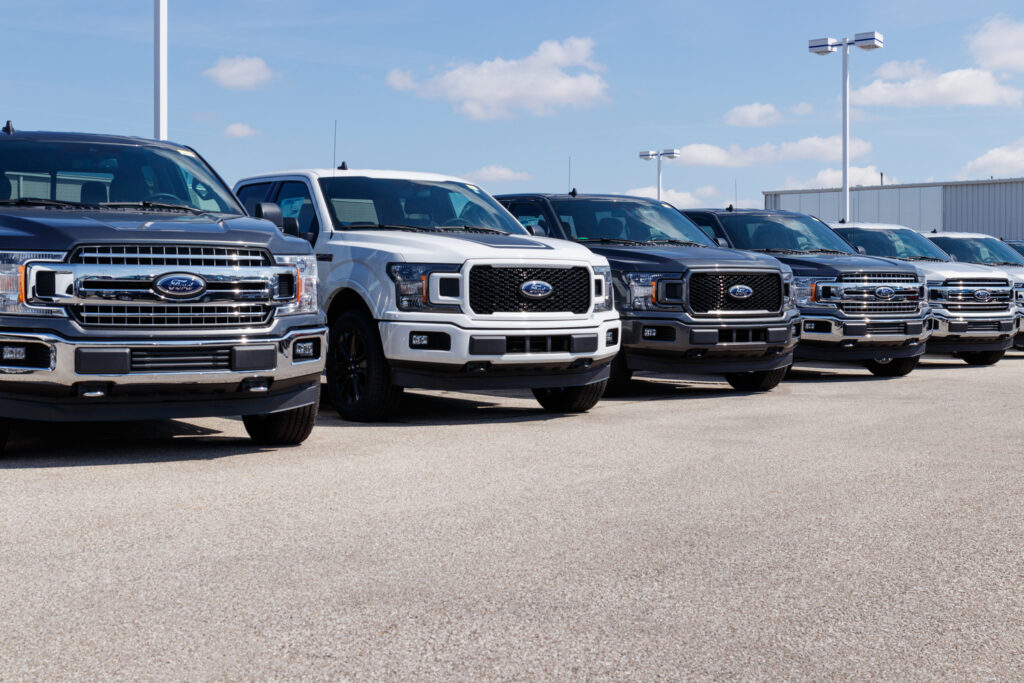
If operations is the engine under the hood, customer experience is the steering wheel that guides perception and loyalty. Automotive retail professionals work where the consumer meets the product. They shape dealership strategy, develop retention programs, enhance digital shopping experiences, and manage sales teams.
These roles require emotional intelligence, negotiation skills, brand knowledge, and the ability to build trust with customers. Today’s buyers are more informed than ever before, and professionals who can guide them along are in high demand. A business degree offers the foundational skills needed to excel here, from managing teams and financial forecasts to crafting strategies that lead to measurable business outcomes.
The Future of Automotive Is Business-Driven
The Movement Of Products, People, And Ideas
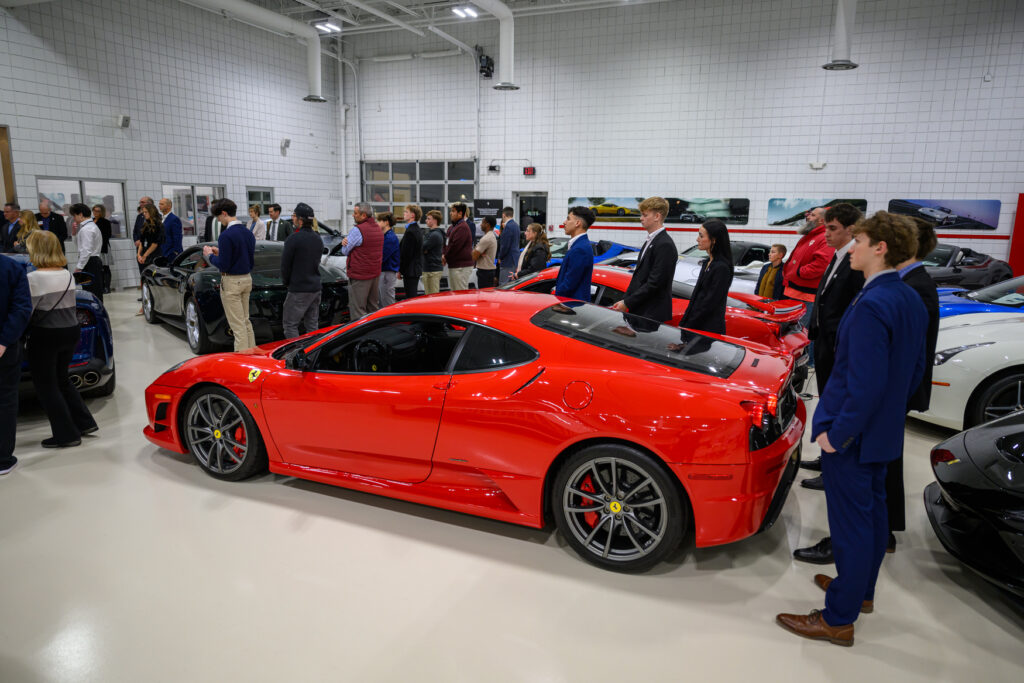
The automotive industry has always been about more than automobiles. As vehicles become smarter, safer, and more connected, the industry’s need for professionals with business insights will only grow.
Engineers design the car. Marketers build its story. Analysts decode its performance. Strategists determine its direction. Together, these careers enable automotive organizations to compete in a world where consumers demand innovation, sustainability, and experience.
For students who love cars but want longevity and impact in their careers, earning a business degree offers flexibility and relevance unmatched by many other paths. It’s not just about knowing how a car works.
It’s about knowing how the industry works, how people make decisions, and how businesses grow.
And with colleges like Northwood University, aspiring professionals have access to education that not only teaches them the fundamentals of business but also teaches them how to apply those fundamentals in the dynamic world of automotive.