
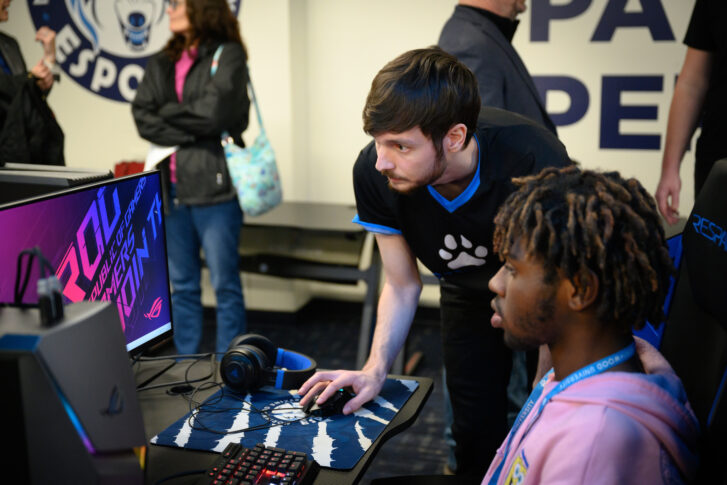
Explore career paths, required skills, esports marketing jobs, and opportunities in the growing esports industry.
For years, the most common misconception about careers in esports was that you had to be exceptionally good at a video game to work in the industry. That may have been understandable when competitive gaming was still emerging, but today, esports is a global business ecosystem supported by marketers, content creators, analysts, broadcasters, and social media specialists.
As esports organizations continue to grow, so does the demand for professionals who understand how to create brands, engage audiences, attract sponsors, and create memorable experiences for fans. For people interested in sports marketing jobs, esports presents one of the most unique and rapidly evolving career opportunities available today.
Understanding the Business Behind Esports
Why Esports Needs More Than Players
Every esports event, livestream, sponsorship announcement, social media campaign, merchandise launch, and championship tournament requires a team of professionals working behind the scenes.
Just like traditional sports teams, esports organizations rely on marketing to attract fans, generate revenue, secure sponsorships, and establish long-term loyalty. Professional esports teams compete for attention in a crowded digital landscape.
Success depends not only on winning matches but also on creating compelling content, maintaining active communities, and developing relationships with brands and partners. This is where sports marketing and esports intersect.
The same principles used by major sports organizations to engage fans are increasingly being applied within esports. The platforms may differ, but the objective remains the same: gather an audience, create value, and grow a brand.
What Does an Esports Marketing Professional Do?
The Roles Leading the Industry Forward
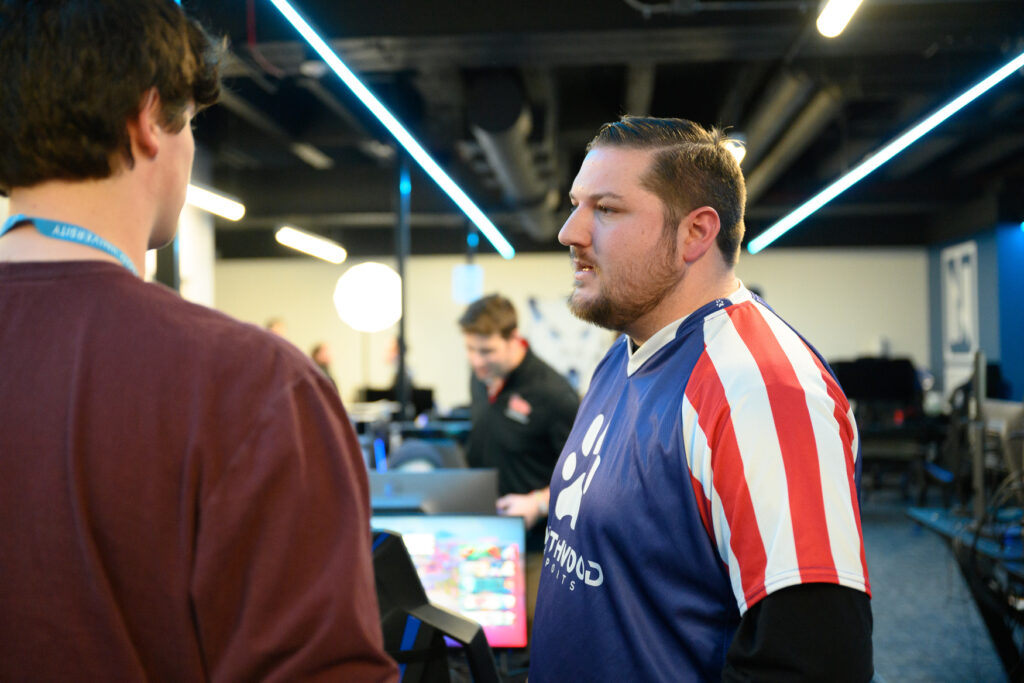
As the industry continues to mature, several roles are becoming increasingly valuable across esports organizations. Some professionals focus on social media, creating content and engaging with fans across platforms such as TikTok, Instagram, X, YouTube, Twitch, and Discord. Others work in partnership development, helping organizations secure sponsorships and manage relationships with corporate brands.
Some marketers also specialize in live events, while others focus on digital advertising, content strategy, audience analytics, public relations, or community management. A typical day may involve planning a tournament promotion, coordinating content creators, analyzing engagement data, working with sponsors, or developing campaigns designed to increase fan interaction.
Start Before Graduation
Why Experience Matters in Esports Marketing
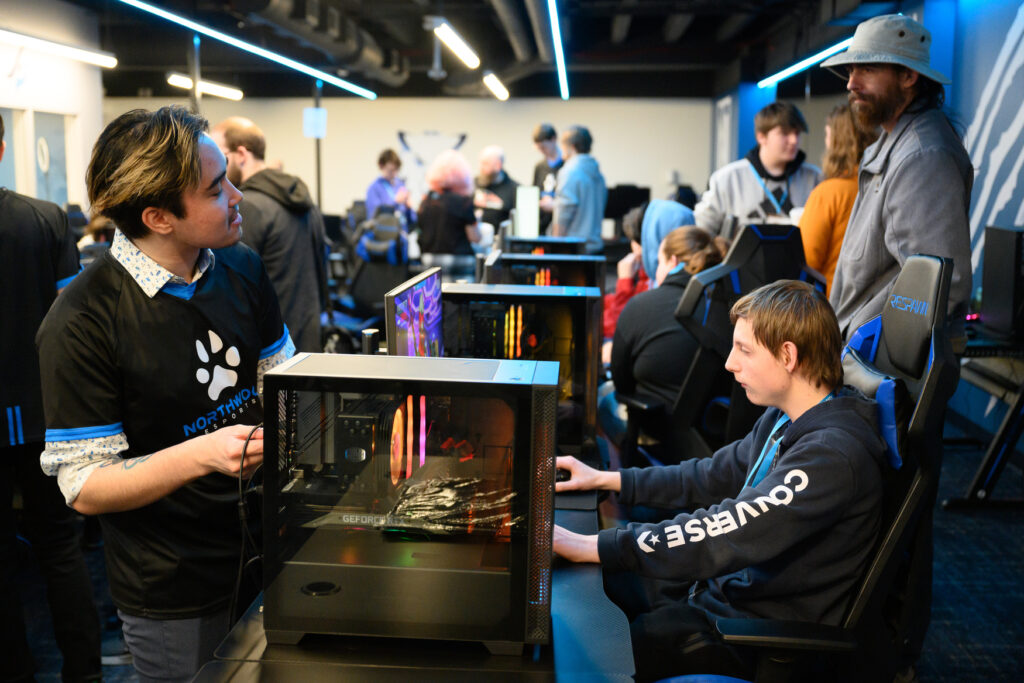
Breaking into esports often follows the same principle as breaking into any competitive industry: experience creates opportunities. Students who grow portfolios, create content, manage social media accounts, volunteer at events, participate in student organizations, or gain internship experience frequently have an advantage when applying for entry-level marketing jobs.
While esports is built around competition, the industry itself operates like any other business.
The good news is that esports offers numerous opportunities to develop those skills before graduation. In an industry driven by creativity and engagement, showing what you’ve done is often more powerful than simply describing what you know. The future of esports will be shaped not only by players but also by the professionals who understand how to grow organizations, develop audiences, and create sustainable business models.
Turn Your Passion Into a Career
Where Business, Marketing, and Esports Meet
Students pursuing careers in esports marketing need more than industry enthusiasm. They need the business knowledge and professional skills that help organizations succeed.
At Northwood University, students can develop expertise in marketing, business, communications, leadership, and entrepreneurship while exploring opportunities within the growing esports industry. Through hands-on learning experiences, industry-focused coursework, and involvement in collegiate esports, students gain exposure to both the competitive and business sides of the industry.
The result is an educational experience that prepares students not only to understand esports but also to contribute to its growth. The future of esports will also be shaped by the marketers, strategists, content creators, and business professionals working behind the scenes.