

Discover what employers look for in business school graduates, from real-world experience and communication skills to AI literacy, leadership, and business knowledge.
A business degree from top undergraduate business schools still matters. In fact, employers continue to express strong confidence in business education and actively seek business graduates for entry-level roles.
But the degree itself is only part of the story. Employers increasingly want graduates who can apply what they’ve learned, communicate effectively, adapt to change, and contribute from day one.
So what separates a business graduate who receives multiple job offers from one who struggles to gain traction? The answer isn’t usually GPA. It’s the combination of knowledge, skills, experiences, and mindset that employers see behind the diploma.
The Best Business Graduates Don’t Just Know Business
They Understand How Business Works
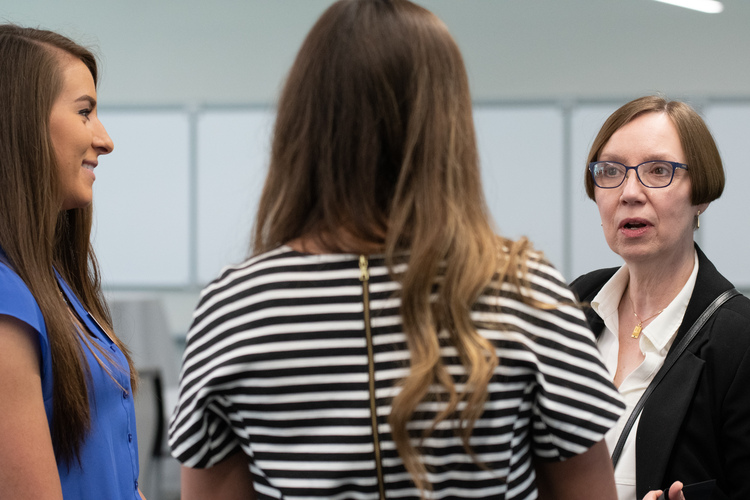
Companies understand that recent graduates aren’t expected to know everything. What they want is evidence that a candidate understands the fundamentals of how organizations operate and can connect those concepts to real-world situations.
The strongest business graduates understand that business functions are interconnected. They can see how decisions made in one department affect the entire organization. That’s the difference between memorizing business concepts and thinking like a business professional.
Imagine two graduates. The first can recite definitions from a textbook. The second can analyze a business challenge, identify potential solutions, and explain the reasoning behind their recommendation.
Which candidate would you hire? Employers consistently rank analytical thinking, problem-solving, and critical thinking among the most valuable skills in today’s workforce. As technology continues to automate routine tasks, human judgment becomes more important, not less.
Organizations need employees who can:
- Analyze information
- Interpret data
- Identify opportunities
- Solve complex problems
- Make informed decisions
The business world rarely provides answer keys, so employers want graduates who can navigate that uncertainty.
Real-World Experience Matters More Than Ever
Employers Want Evidence, Not Assumptions
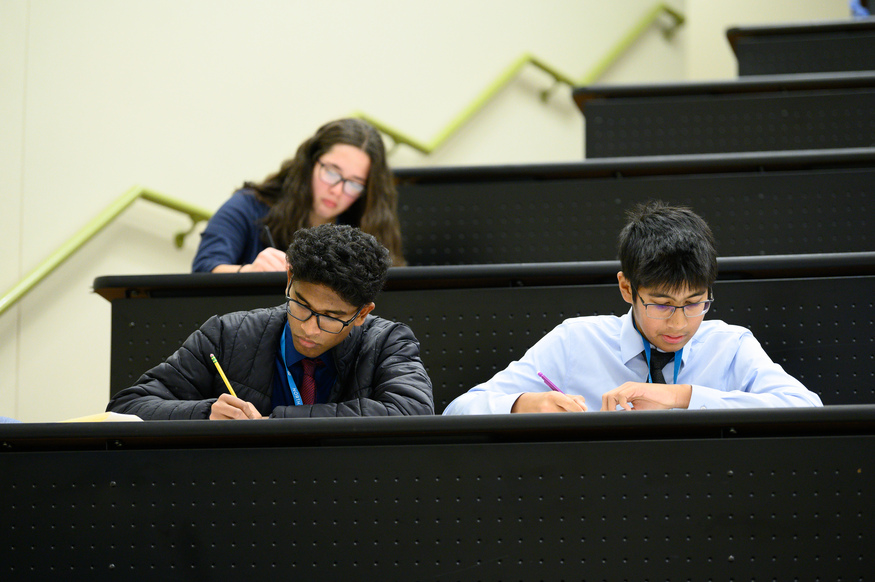
One of the biggest shifts in hiring is the growing emphasis on experience. That doesn’t mean employers expect every graduate to have years of professional work history.
But they do want evidence that students have applied their knowledge outside the classroom. Graduates who can discuss actual projects and measurable outcomes often stand out more than candidates who focus exclusively on coursework. Furthermore, candidates who demonstrate initiative, accountability, and the ability to influence others positively frequently stand out during hiring decisions.
In addition, just a few years ago, AI skills rarely appeared in conversations about hiring. Today, that has changed dramatically.
Employers increasingly expect graduates to understand how artificial intelligence impacts business operations, decision-making, productivity, and strategy. Companies are actively seeking candidates who can work alongside emerging technologies rather than avoid them.
Graduates who demonstrate initiative, accountability, and the ability to influence others positively frequently stand out during hiring decisions. The most successful professionals aren’t necessarily the smartest people in the room. They’re often the people most willing to learn, adapt, and grow.
The Business Graduate Employers Remember
The Environment Shapes the Graduate
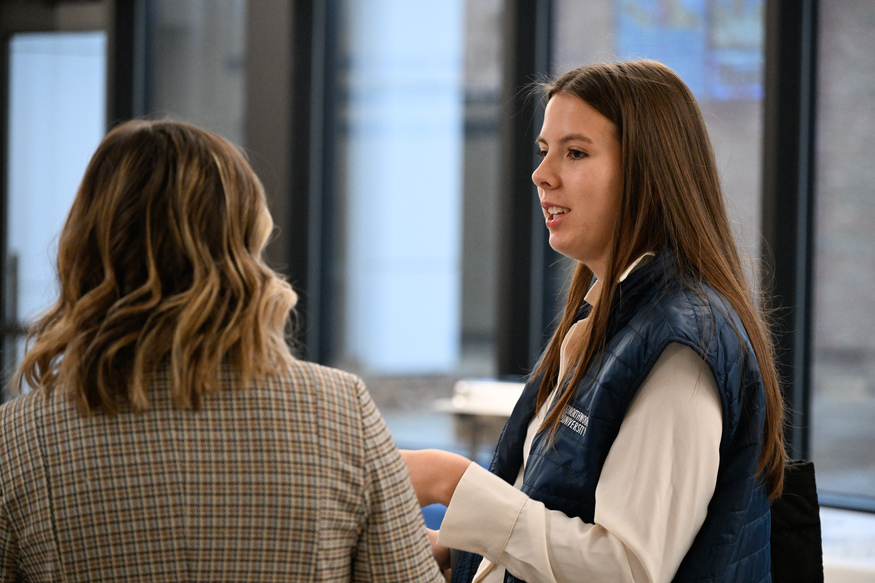
The top undergraduate business schools do more than teach business concepts. They create opportunities for students to practice leadership, solve real-world problems, engage with industry professionals, complete internships, and develop the communication skills employers value most.
At Northwood University, this philosophy is embedded throughout the student experience. Business is not simply one academic department among many. It is the foundation of the institution’s mission.
Students are encouraged to connect classroom learning with practical application through internships, industry engagement, student organizations, entrepreneurial opportunities, and leadership experiences. The goal is developing graduates who are prepared to contribute, adapt, and lead.
The most successful business graduates rarely stand out because of a single class, grade, or credential. They stand out because they combine business knowledge with practical experience, communication skills, curiosity, adaptability, leadership, and a willingness to learn. In 2026 and beyond, that’s what employers are increasingly looking for.