
Comparing public and private universities in Michigan? Learn the key differences in cost, class size, student experience, and career outcomes to find the right fit.
Michigan is home to some of the most recognized colleges and universities in the country. From large public institutions with tens of thousands of students to smaller private universities in Michigan, students have no shortage of options when exploring higher education in the state.
For some students, a large public institution offers the resources, variety, and scale they’re looking for. For others, a smaller private university provides the experience and focused environment that helps them thrive.
Public Universities Private Universities Larger student populations Smaller student populations More degree options More specialized academic focus Often lower in-state tuition Often higher sticker price but significant financial aid opportunities Large campus environments More personalized learning environments Research-focused missions Student-focused missions
The truth is that neither option is inherently better. The best choice depends on your goals, learning style, career aspirations, and what you want your college experience to look like.
Before comparing specific schools, it’s important to understand what separates public and private universities in Michigan, and why those differences matter.
Understanding Public Universities
Established to Serve the State of Michigan

Public universities were established to provide accessible higher education opportunities to residents of the state of Michigan. Because public universities receive state funding, they often provide lower tuition rates for in-state students.
Students may find extensive research opportunities, major athletic programs, large alumni networks, diverse student populations, and expansive academic offerings. For students who value variety and a traditional large-campus experience, a public university can be an excellent fit.
Understanding Private Universities
Focused on Personalized Experiences

Rather than serving as broad public institutions, many private universities are based around a specific educational mission or area of expertise. This often creates a more focused academic experience.
While private universities may have higher published tuition rates, many students discover that scholarships, grants, and institutional aid significantly reduce actual costs.
Class sizes tend to be smaller and faculty interaction may be more frequent. In return, students often have greater access to leadership opportunities, mentorship, and personalized support. Private universities frequently emphasize community, culture, and student engagement in ways that can be more difficult to achieve at larger institutions.
Career Preparation Looks Different at Different Universities
Thinking Beyond Graduation

Students often focus heavily on getting into college without spending enough time thinking about what happens after college. Career preparation can vary significantly between institutions.
Large public universities often leverage extensive alumni networks, research opportunities, and employer partnerships. Meanwhile, private universities frequently focus on experiential learning, mentorship, leadership development, and industry-specific connections.
Ask questions such as:
- What internships are available?
- How involved are faculty members?
- What industries hire graduates?
- How active is the alumni network?
- What career support services exist?
The answers often reveal more about a university’s value than rankings alone.
The Role of Mission in Student Success
Why Institutional Purpose Matters

One factor often overlooked during the college search is institutional mission. Every university exists for a reason. Understanding a university’s mission can help determine whether it’s the right fit.
Students frequently experience the greatest success when their personal goals align with the mission of the institution they attend. A future engineer may seek a different environment than an aspiring entrepreneur, while a student interested in academic research may prioritize different factors than someone focused on career advancement.
Rather than trying to be everything to everyone, they build their curriculum, culture, and student experience around a clear purpose.
At Northwood University, for example, that purpose is rooted in business education, entrepreneurship, and the principles of free enterprise. From classroom discussions and student organizations to internships and industry partnerships, the university is intentionally designed for students who want to understand how business works and how to lead within it.
When a university’s mission aligns with a student’s interests and career goals, the educational experience often becomes more meaningful. Students aren’t simply earning credits toward a degree, they’re learning within an environment built around the future they hope to create.
A Different Kind of Private University
The Business-Focused Approach
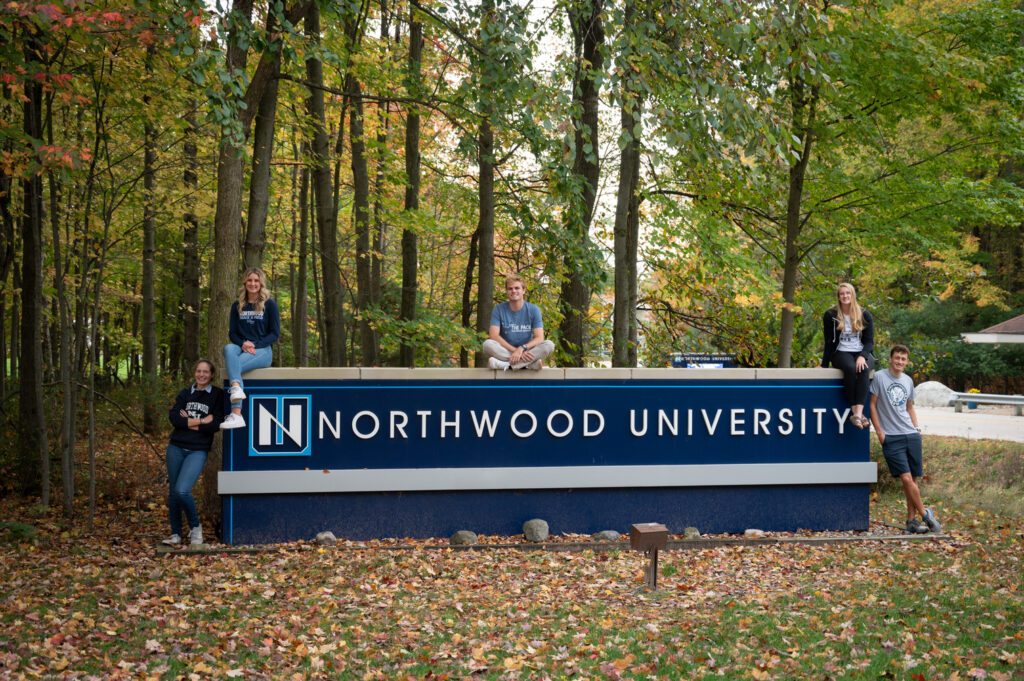
Among universities in Michigan, some institutions distinguish themselves through specialization rather than scale. Northwood University is one example of this.
The result is an educational experience based around a clear purpose: preparing graduates to lead, innovate, and create value in the marketplace.
Business is not one department among hundreds. It is the foundation of the university’s academic identity. Rather than attempting to be everything to everyone, Northwood focuses specifically on business education, leadership development, entrepreneurship, and free enterprise.
Students benefit from an environment where faculty, curriculum, student organizations, internships, and alumni connections are all aligned around business education and professional development. For students who already know they want to pursue careers in business, marketing, management, accounting, finance, entrepreneurship, or related fields, this focused environment can provide advantages that are difficult to replicate within a broader institutional structure.
The best university isn’t necessarily the largest, the most famous, or the highest ranked. It’s the one that aligns with your goals, supports your growth, and prepares you for your future.