
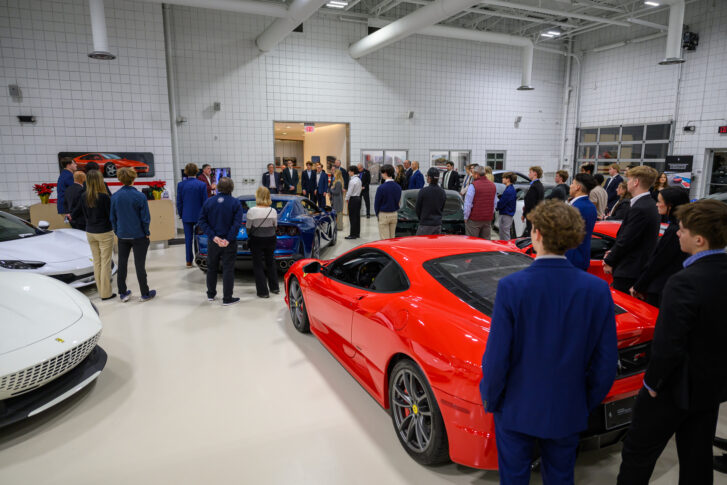
Explore what automotive marketing looks like in 2026, from AI and EVs to digital retail, customer experience, and software-defined vehicles.
The automotive industry in 2026 does not look the way most people expected it to a decade ago. For students interested in automotive marketing, understanding this transformation matters more than ever.
Electric vehicles are no longer the future of the industry. Artificial intelligence is now embedded into manufacturing, dealerships, customer service, and even the vehicles themselves. Cars are increasingly becoming software platforms, customer expectations are shifting rapidly, and brands are competing as much on digital experience as they are on horsepower.
Automotive marketing in 2026 is no longer just about selling vehicles. It’s about understanding technology, branding, customer behavior, digital retail, data, and how consumers interact with mobility itself.
At Northwood University, students studying automotive marketing are preparing for an industry that is changing in real time. And those changes are redefining nearly every part of the automotive world.
Cars Are Becoming Software Platforms
The Rise of the Software-Defined Vehicle
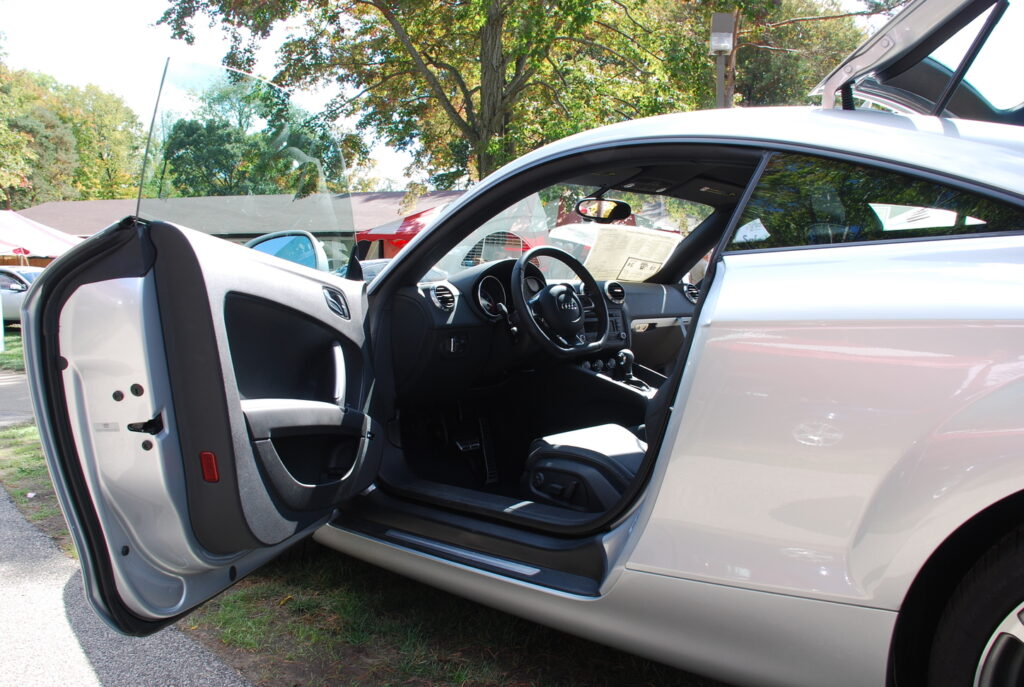
One of the biggest shifts shaping the automotive industry in 2026 is the emergence of software-defined vehicles (SDVs). Modern vehicles increasingly operate like connected technology ecosystems rather than purely mechanical machines.
Automakers now push over-the-air software updates, subscription-based features, predictive diagnostics, and AI-powered personalization directly to vehicles long after purchase.
Consumers are no longer evaluating only engine performance or exterior styling. They are evaluating digital experiences, in-car technology, user interfaces, connectivity, and long-term software capabilities. Automakers are increasingly competing with technology expectations shaped by smartphones, streaming platforms, and consumer electronics. For automotive marketers, this means understanding both transportation and technology simultaneously.
AI Is Reshaping the Automotive Industry
From Manufacturing to Customer Experience
Artificial intelligence is now deeply integrated into the automotive industry. Manufacturers are using AI to streamline production, improve supply chains, optimize logistics, and accelerate software development. Dealerships are increasingly adopting AI-powered lead management, customer communication systems, and predictive analytics tools. But AI is also changing the customer experience itself.
Consumers now expect faster responses, personalized recommendations, digital shopping tools, and seamless communication throughout the buying process. Automotive marketing teams are adapting by focusing more heavily on customer journey optimization, data analysis, and digital engagement strategies. In 2026, automotive marketing is increasingly based on data, automation, and personalization.
EVs Are Still Growing, But the Industry Is More Complex Now
Why Electrification Is Evolving
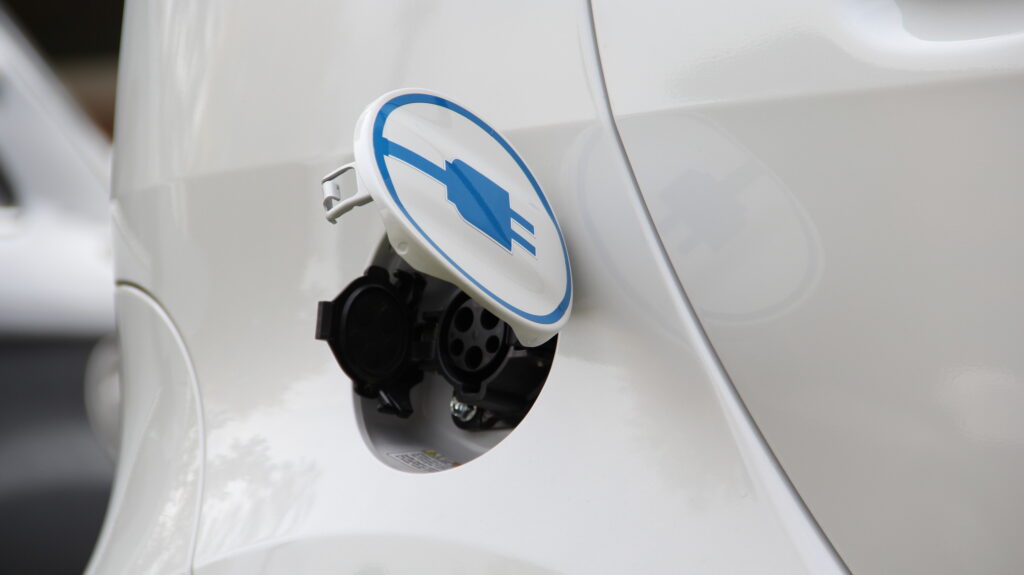
Electric vehicles remain one of the defining forces in the automotive industry, but the conversation around EVs has become more nuanced in 2026.
Early industry expectations predicted a rapid, universal transition to fully electric vehicles. Instead, the market has evolved into a more complex mix of EVs, hybrids, plug-in hybrids, and traditional internal combustion vehicles. Automakers are balancing affordability concerns, charging infrastructure, consumer demand, and global supply chain challenges simultaneously.
This complexity creates new challenges for automotive marketing professionals.
Brands now need to communicate not just performance, but also sustainability, charging convenience, software capabilities, ownership experience, and long-term value. Consumers are asking more detailed questions about range, battery technology, pricing, and infrastructure than ever before. The modern automotive consumer is significantly more informed and more skeptical than previous generations.
Digital Retail Has Changed Car Buying
The Dealership Experience Is Evolving
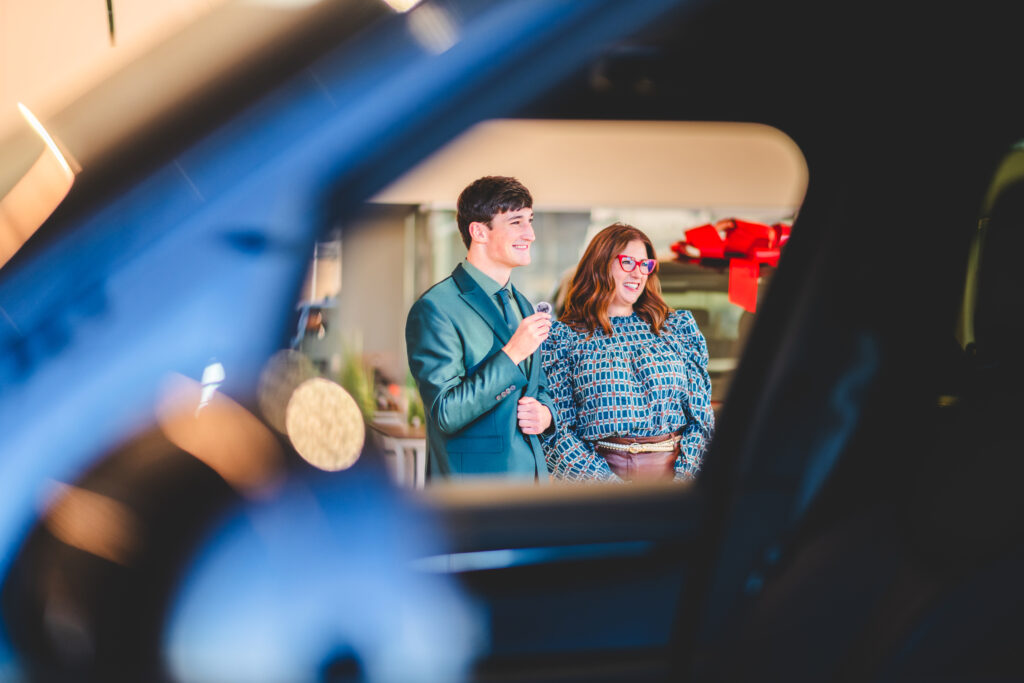
In 2026, many buyers expect to browse inventory online, compare financing options digitally, explore vehicles virtually, and complete major parts of the purchasing process remotely. Digital retail tools, virtual showrooms, AI-driven customer support, and online research now shape much of the customer journey before a consumer even steps into a dealership.
One of the most visible changes in the automotive industry is how consumers shop for vehicles.
At the same time, customer expectations around transparency and communication are increasing. Buyers increasingly expect clear pricing, faster communication, and simplified purchasing experiences.
For automotive marketing professionals, this means customer experience is now a major competitive advantage. Brands are not only selling vehicles. They are selling convenience, trust, responsiveness, and digital accessibility.
Global Competition Is Intensifying
The Industry Is Becoming More Connected
The automotive industry in 2026 is more globally competitive than ever. Chinese EV manufacturers, technology companies, and software-focused mobility firms are rapidly influencing global automotive strategy. Traditional automakers are increasingly forming partnerships with technology companies, AI firms, and software developers to remain competitive in this evolving environment.
This convergence between automotive, software, and consumer technology is reshaping the entire industry landscape. Automotive marketing professionals now need to understand branding in a global, digitally connected marketplace where consumer expectations evolve rapidly and technology innovation moves continuously.
What Students Interested in Automotive Marketing Should Know
Preparing for the Future of the Industry
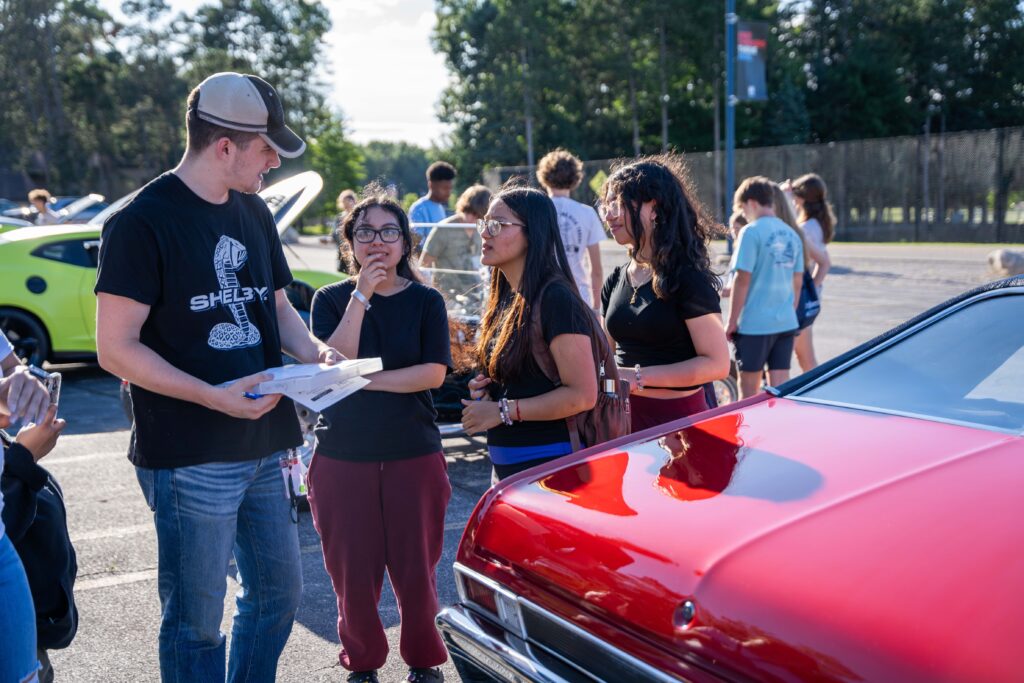
Students entering automotive marketing today are entering an industry undergoing massive transformation. The future of automotive careers will likely involve AI-based customer engagement, connected vehicle ecosystems, software-based revenue models, digital retail experiences, and evolving mobility technologies. Professionals who understand both business fundamentals and automotive culture will be increasingly valuable.
At Northwood University, students gain exposure to automotive-focused education, experiential learning opportunities, and industry-connected events that help bridge classroom learning with real-world industry experience.
Because in 2026, automotive marketing isn’t just about advertising vehicles. It’s about understanding how technology, mobility, customer behavior, and branding are reshaping transportation itself.