Learn how long a bachelor degree takes, degree requirements, online options, credit hours, and what affects graduation timelines.
For individuals exploring higher education, deconstructing all the requirements for a bachelor degree can be quite overwhelming. From the personal investment it takes to the logistics, it’s not as black and white as you may think.
Modern higher education is far more flexible than many people realize. Depending on your schedule, transfer credits, online learning format, work obligations, and academic goals, earning a bachelor degree may take anywhere from two to six years or more.
Today’s students are balancing careers, finances, internships, family responsibilities, and professional development while pursuing education. Because of that, colleges for a bachelor’s degree have increasingly adapted to support different learning paths instead of forcing every student into the exact same timeline.
What Is a Bachelor Degree?
Understanding Undergraduate Education
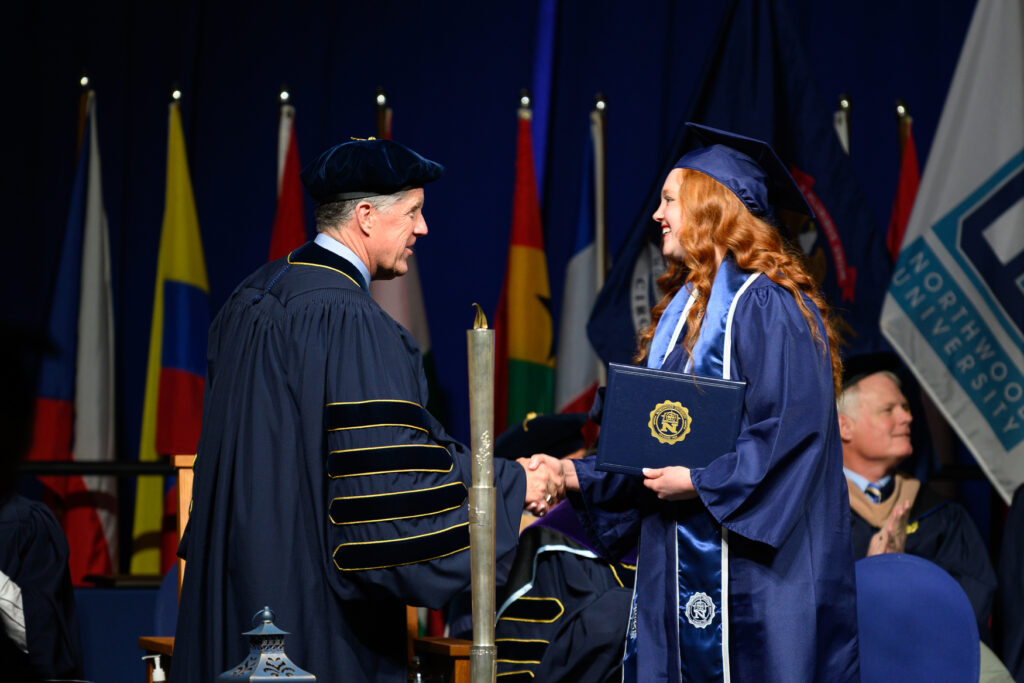
A bachelor degree is an undergraduate academic degree typically earned after completing a specific number of college-level credits. In the United States, bachelor degrees are commonly awarded through universities and 4 year degree colleges after students complete general education coursework alongside major-specific studies.
Many students also ask, “how many degrees are there?” Within undergraduate education alone, there are multiple types of bachelor degrees, including Bachelor of Arts (BA), Bachelor of Science (BS), Bachelor of Business Administration (BBA), and other specialized programs depending on the institution and field of study.
Different programs may emphasize liberal arts, technical skills, business leadership, science, or professional preparation, but most bachelor degree programs are designed around similar credit-hour structures.
Bachelor’s Degree Requirements
What Students Typically Need to Graduate
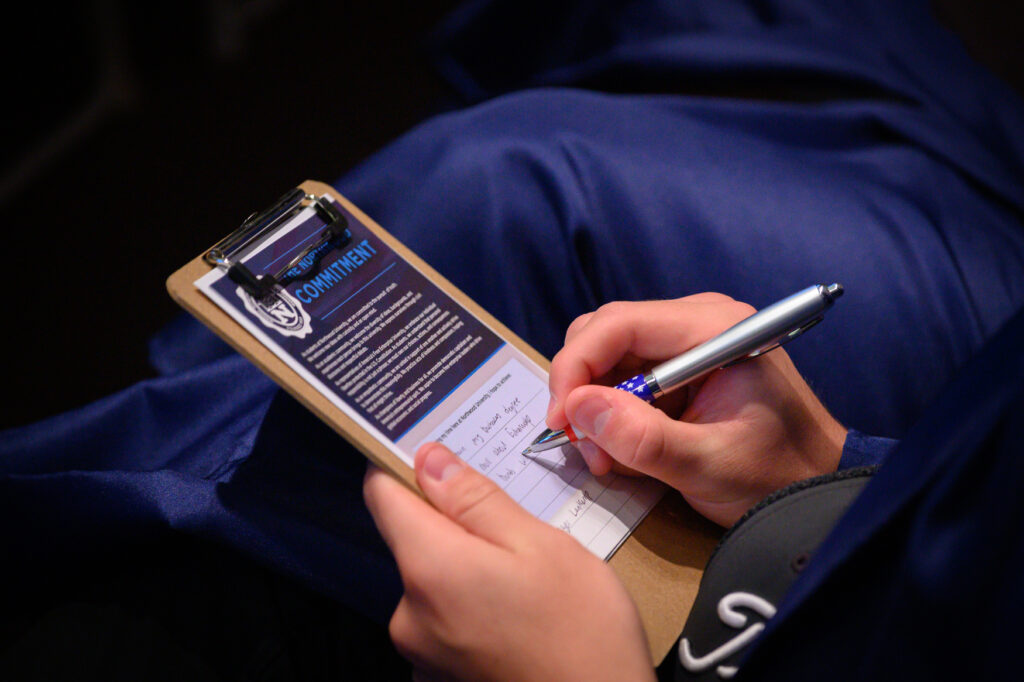
One of the biggest factors affecting graduation timelines is the total number of credits required. Most bachelor degree programs require approximately 120 credit hours, although exact requirements vary by institution and major. Students often hear terms like “units,” “credits,” or “credit hours,” which all generally refer to the academic workload attached to courses.
A full-time student typically completes around 15 credits per semester across eight semesters, which is why the traditional bachelor degree timeline is four years. However, transfer credits, summer classes, dual enrollment, and accelerated scheduling can all shorten the timeline significantly.
Bachelor’s degree requirements generally include a combination of general education courses, major-specific coursework, electives, and minimum GPA standards. For example, BA degree requirements often include humanities, communication, mathematics, and social science coursework alongside specialized courses tied to a student’s chosen field.
Understanding these requirements early helps students create more efficient graduation plans and avoid unnecessary delays.
Business programs may additionally require leadership, accounting, finance, economics, marketing, and management courses. With the number of courses needed to complete, it can feel like a rather automatic process, but it’s also important to remember that they are more than just preparing to complete an exam. You need to look at how the courses help you obtain the skills needed to go into your desired career field.
At Northwood University, undergraduate programs are designed to blend academic theory with real-world business application, helping students prepare for professional careers while completing their degree requirements. In fact, Northwood prides itself on its real-world application, and they provide a generous Credit for Prior Learning program, acknowledging all the skills you have gained in the field without classes.
Can You Finish a Bachelor Degree Faster?
Accelerated & Flexible Pathways
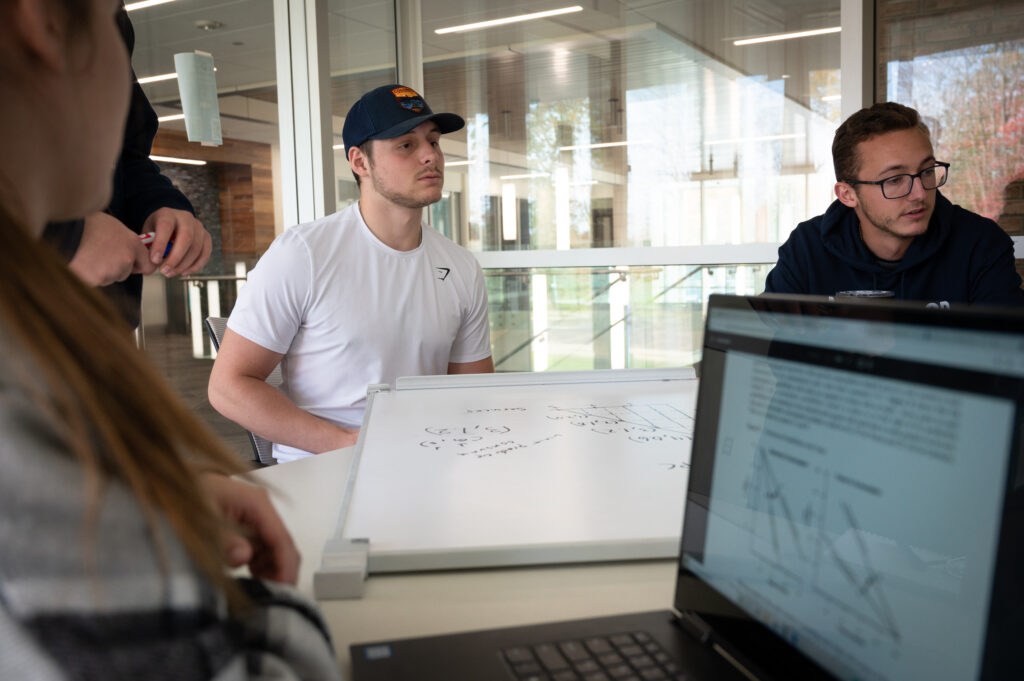
While four years is traditional, some students complete a bachelor degree faster. Students entering college with AP credits, dual enrollment classes, military experience, or transfer coursework may already have significant credits completed before officially enrolling.
Others accelerate progress through summer courses or year-round scheduling. In addition, online education has also dramatically changed graduation flexibility. Many universities now offer online bachelor classes with multiple start dates throughout the year instead of limiting students to traditional semester schedules.
For motivated students balancing work or family obligations, top online bachelor degree programs provide opportunities to continue progressing toward graduation while maintaining other responsibilities. With flexible online and on-campus pathways like the ones at Northwood, they allow students to structure education around their goals rather than following a one-size-fits-all model.
Students often compare bachelor degrees with degrees that take 2 years, such as associate degrees. An associate degree is typically completed in approximately 60 credit hours and is often offered through community colleges or technical institutions.
This pathway can sometimes reduce overall education costs while still leading to a four-year degree credential.
Bachelor degrees generally require about twice as many credits because they provide broader academic depth and more advanced specialization. Some students begin with a two-year degree before transferring into a bachelor degree program later. Understanding the differences between associate and bachelor degree structures helps students choose the path that best aligns with their career goals.
Online Bachelor Classes & Learning Flexibility
How Higher Education Has Evolved
The rise of online learning has significantly changed how students complete bachelor degrees. Many students today are not traditional 18-year-olds living on campus full time.
They are working professionals, parents, career changers, or adult learners returning to education after years in the workforce. Because of this shift, universities increasingly offer online bachelor classes designed around flexibility and accessibility.
Students can often complete coursework asynchronously, meaning they can study around work schedules instead of attending fixed lecture times. At Northwood University, online degree programs are designed to support students balancing education alongside professional and personal responsibilities. This flexibility has made earning a bachelor degree significantly more accessible than in previous generations.
Choosing the Right Bachelor Degree Path
Finding a Program That Works for You
Some students finish their bachelor degree in exactly four years. Others finish faster. Many take longer. And increasingly, that flexibility is normal.
Work schedules, internships, financial responsibilities, family obligations, and career development opportunities all affect graduation timelines. For many students, balancing education with real-world experience creates stronger long-term outcomes than simply finishing as quickly as possible. A bachelor degree is ultimately more than a timeline. It is an investment in future opportunities, leadership development, and career growth.
At Northwood University, students can pursue flexible undergraduate pathways designed to support both traditional learners and working professionals while growing practical business skills for long-term success.
Because the best bachelor degree pathway is not necessarily the fastest one. It’s the one that helps you move most effectively toward the future you want.